
How Can You Identify Signs of Work Overload: Feeling like you’re constantly juggling an impossible number of tasks? Do your workday bleed into your evenings and weekends? If so, you might be experiencing work overload. This isn’t just about being busy; it’s a state where the demands of your job consistently exceed your capacity to manage them effectively. The good news is that recognizing the signs of overload working is the first step toward reclaiming your personal time and achieving a healthier work-life balance. This article will guide you through identifying the tell-tale signs of overload with work and provide actionable strategies to combat it.
Understanding Work Overload: More Than Just Busy
Work overload isn’t a badge of honor; it’s a warning sign. It occurs when the quantity and complexity of work assignments surpass an individual’s available time and resources. This can stem from various factors, including unrealistic deadlines, poor time management, insufficient staffing, or an inability to say “no.” When you’re consistently working overload, it can lead to significant physical, mental, and emotional consequences. It’s crucial to differentiate between a busy period and chronic overload with work.
Identifying the Signs of Work Overload

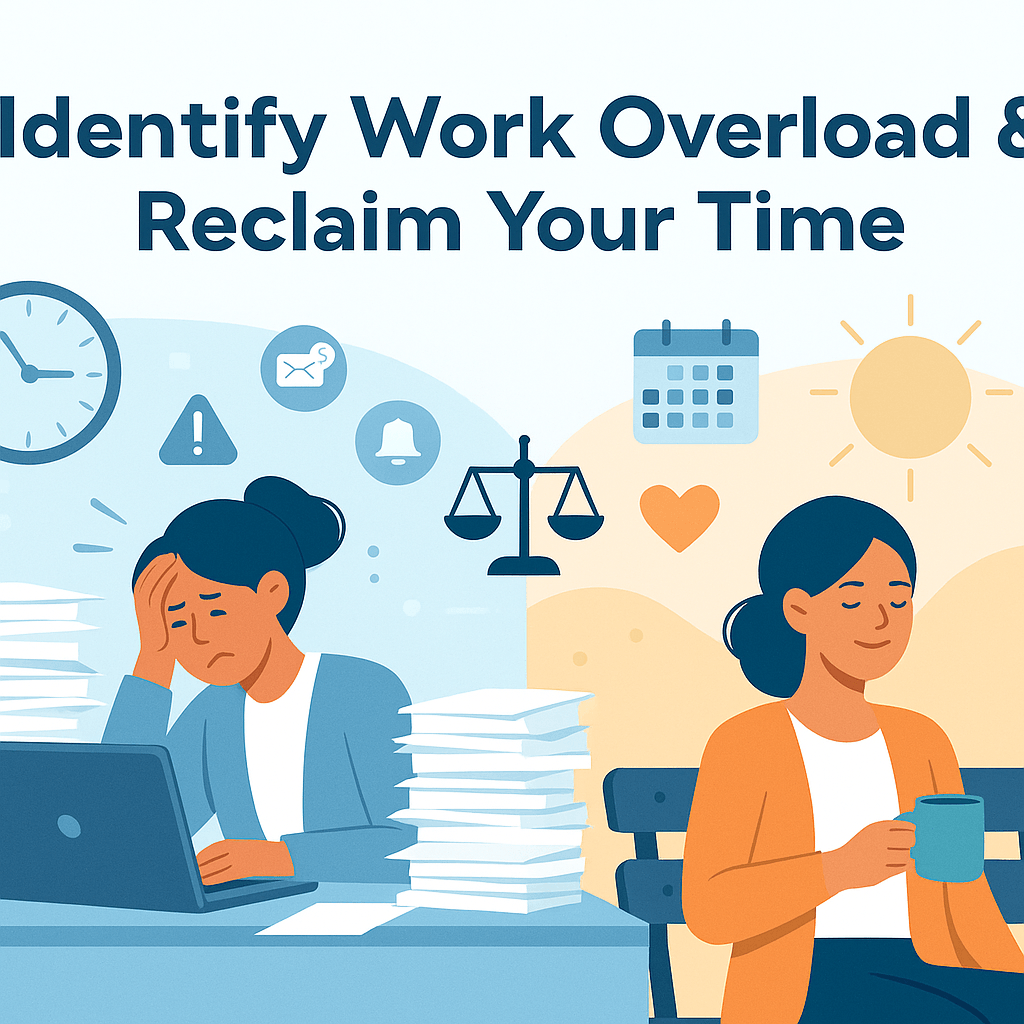
Recognizing that you are working overload is key to addressing the problem. These signs often manifest in subtle ways at first, gradually escalating if left unaddressed. Pay close attention to these indicators:
1. Physical Symptoms
Your body often sends the first signals that you’re overload with work. These can include:
- Chronic Fatigue: Persistent tiredness that isn’t relieved by sleep. You might feel drained even after a full night’s rest.
- Headaches and Muscle Tension: Frequent headaches, especially tension headaches, and stiff, sore muscles are common byproducts of stress.
- Sleep Disturbances: Difficulty falling asleep, staying asleep, or experiencing restless sleep due to racing thoughts about work.
- Changes in Appetite: Either a loss of appetite or increased cravings for unhealthy foods.
- Increased Susceptibility to Illness: A weakened immune system due to prolonged stress can make you more prone to colds, flu, and other infections.
2. Emotional and Mental Indicators
The psychological toll of work overload can be significant:
- Irritability and Mood Swings: Feeling easily frustrated, short-tempered, or experiencing rapid shifts in mood.
- Anxiety and Stress: A constant feeling of worry, nervousness, or unease, often accompanied by a sense of impending doom.
- Lack of Motivation and Cynicism: A decline in enthusiasm for your job, a feeling of detachment, and a negative outlook on work and colleagues.
- Difficulty Concentrating: Struggling to focus on tasks, making more mistakes, and experiencing forgetfulness.
- Feeling Overwhelmed: A pervasive sense that tasks are unmanageable and that you’re drowning in responsibilities.
3. Behavioral Changes
Your actions and habits can also reveal signs of overload working:
- Procrastination: While seemingly counterintuitive, putting off tasks can be a coping mechanism for feeling overwhelmed.
- Social Withdrawal: Avoiding social interactions, both professional and personal, due to lack of energy or time.
- Neglecting Personal Responsibilities: Letting household chores, appointments, or personal well-being activities slide.
- Increased Absenteeism or Presenteeism: Taking more sick days or, conversely, coming to work sick and being unproductive (presenteeism).
- Reliance on Unhealthy Coping Mechanisms: Turning to alcohol, excessive caffeine, or other unhealthy habits to cope with stress.
Strategies to Combat Work Overload and Reclaim Your Time
Once you’ve identified the signs of work overload, it’s time to implement strategies to regain control. These are actionable steps you can take to manage your workload and protect your personal time.
1. Prioritize and Delegate Effectively
- The Eisenhower Matrix: Categorize tasks based on urgency and importance:
- Urgent & Important: Do immediately.
- Important, Not Urgent: Schedule for later.
- Urgent, Not Important: Delegate if possible.
- Not Urgent, Not Important: Eliminate.
- Learn to Delegate: If you have direct reports, assign tasks that align with their skills and development goals. Clearly communicate expectations and deadlines.
- Say “No” Strategically: It’s empowering to decline new tasks or commitments that will push you beyond your capacity. Frame your refusal politely, perhaps by explaining your current workload or suggesting an alternative solution.
2. Master Time Management Techniques
- Time Blocking: Schedule specific blocks of time for different tasks or activities in your calendar. Treat these blocks as appointments you cannot miss.
- Pomodoro Technique: Work in focused bursts (e.g., 25 minutes) followed by short breaks (e.g., 5 minutes). This helps maintain concentration and prevent burnout.
- Batch Similar Tasks: Group similar activities together, such as responding to emails, making phone calls, or attending meetings, to improve efficiency.
- Minimize Distractions: Turn off non-essential notifications, close unnecessary browser tabs, and find a quiet workspace when deep focus is required.
3. Set Clear Boundaries
- Define Work Hours: Establish clear start and end times for your workday and stick to them as much as possible.
- Digital Detox: Avoid checking work emails or messages outside of your designated work hours. Consider turning off work notifications on your personal devices.
- Communicate Your Boundaries: Let your colleagues and superiors know about your availability and when you are unavailable. This sets expectations and helps prevent intrusions.
- Create a Dedicated Workspace: If working from home, designate a specific area for work. When you leave this space, you mentally “leave” work behind.
4. Prioritize Self-Care
- Schedule Downtime: Intentionally block out time for rest, relaxation, hobbies, and spending time with loved ones. Treat these as non-negotiable appointments.
- Regular Exercise: Physical activity is a powerful stress reliever and can boost energy levels.
- Mindfulness and Meditation: Incorporate practices like deep breathing exercises or short meditation sessions to calm your mind and reduce anxiety.
- Healthy Diet and Sleep: Fuel your body with nutritious food and aim for 7-9 hours of quality sleep per night.
5. Communicate with Your Employer
- Open Dialogue: If work overload is a persistent issue, have an honest conversation with your manager. Discuss your workload, potential solutions, and how they can support you.
- Seek Clarity on Priorities: Ensure you understand what tasks are most critical and align with organizational goals.
- Request Resources: If you’re overload with work due to a lack of resources or support, don’t hesitate to ask for what you need.
Conclusion: Taking Back Your Time
Experiencing work overload is a serious issue that can impact your health, happiness, and productivity. By recognizing the physical, emotional, and behavioral signs, you can take proactive steps to address it. Implementing effective time management, setting firm boundaries, prioritizing self-care, and communicating openly with your employer are crucial strategies for reclaiming your personal time. Remember, your well-being is paramount. Don’t let overload working dictate your life. Start implementing these strategies today and pave the way for a more balanced and fulfilling life, both inside and outside of work
Follow us on